Your excellent PPC campaign has reached the lunch break
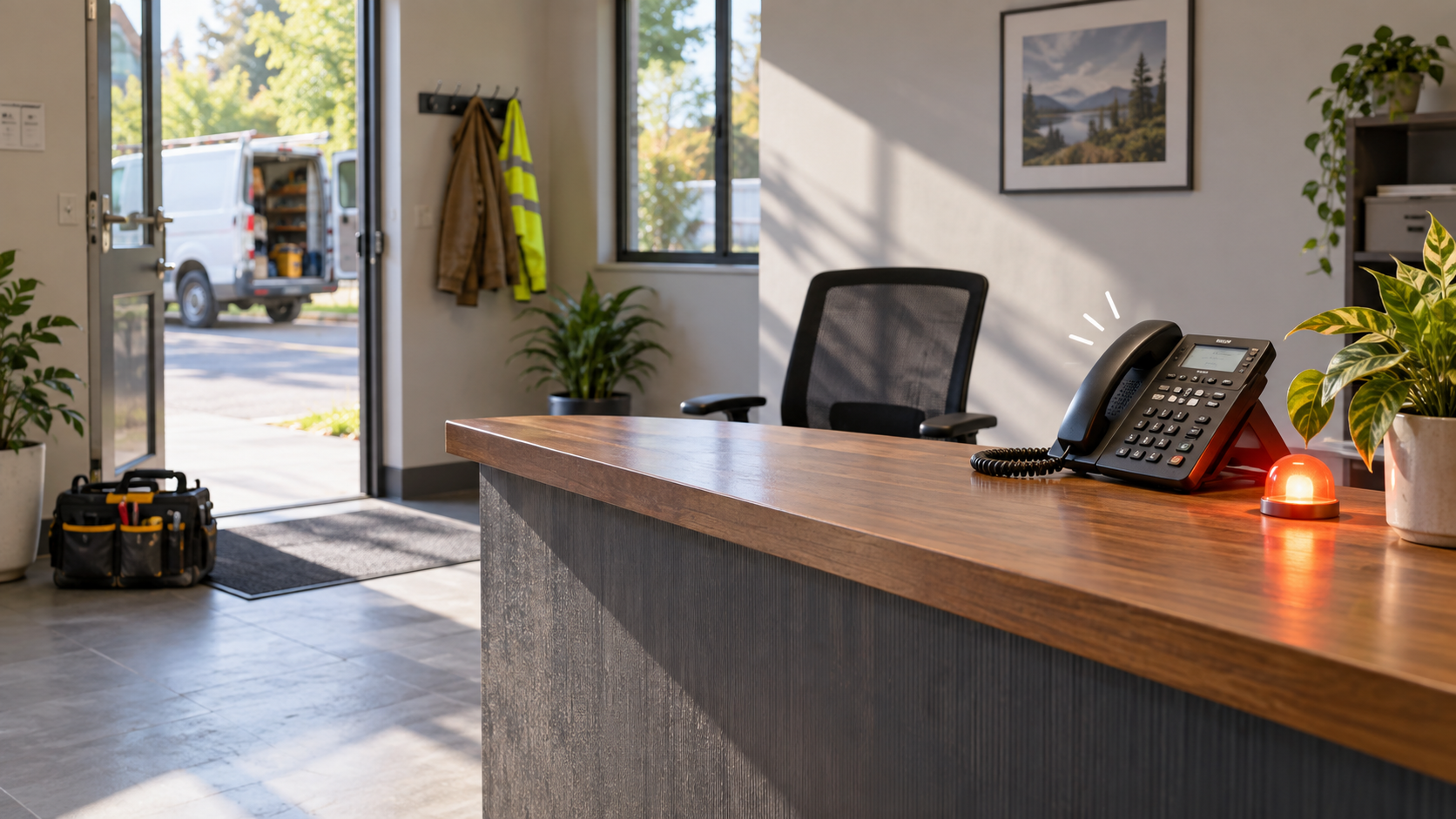
At half past twelve, the campaign has excellent availability. The person doing the work has a sandwich, a parked van and five minutes in which nobody needs a quotation.

About the author
Somebody has to answer the phone.
That is a slightly unfashionable opening for a marketing biography, but it explains a good deal about this blog.
I'm Joel King, a paid media specialist interested in the practical advertising of small services and local businesses. The Practical Advertiser is where I write about the map, the van, the form, the quotation and the person who has to reply when the campaign succeeds.
I like working backwards from that reply. What does the customer need? What can the business do? What information makes the first conversation useful? What should the advertisement say so that those two things have a sensible chance of meeting?
The answers are often quite ordinary. A service area. An appointment arrangement. A request for a photograph. A clear explanation that submitting the form doesn't confirm a visit.
Ordinary does not mean unimportant. Those details are the offer as far as the customer is concerned.
If the business cannot serve a location, I want the page to help someone understand that early. If calls can't be answered throughout the day, I want the invitation to describe a workable alternative. If a quote needs a visit, I don't want a button implying an instant price.
This can sound restrictive in a planning meeting. I think it saves everyone a lot of needless irritation.
A customer whose situation doesn't fit is allowed to leave. We don't need to convert every departure into a leak requiring another persuasive message. Sometimes the page has done a useful job by making the boundary clear.
I keep returning to confirmations and handovers because they are easy to forget. The account counts an event, and the real-world process is just getting started.
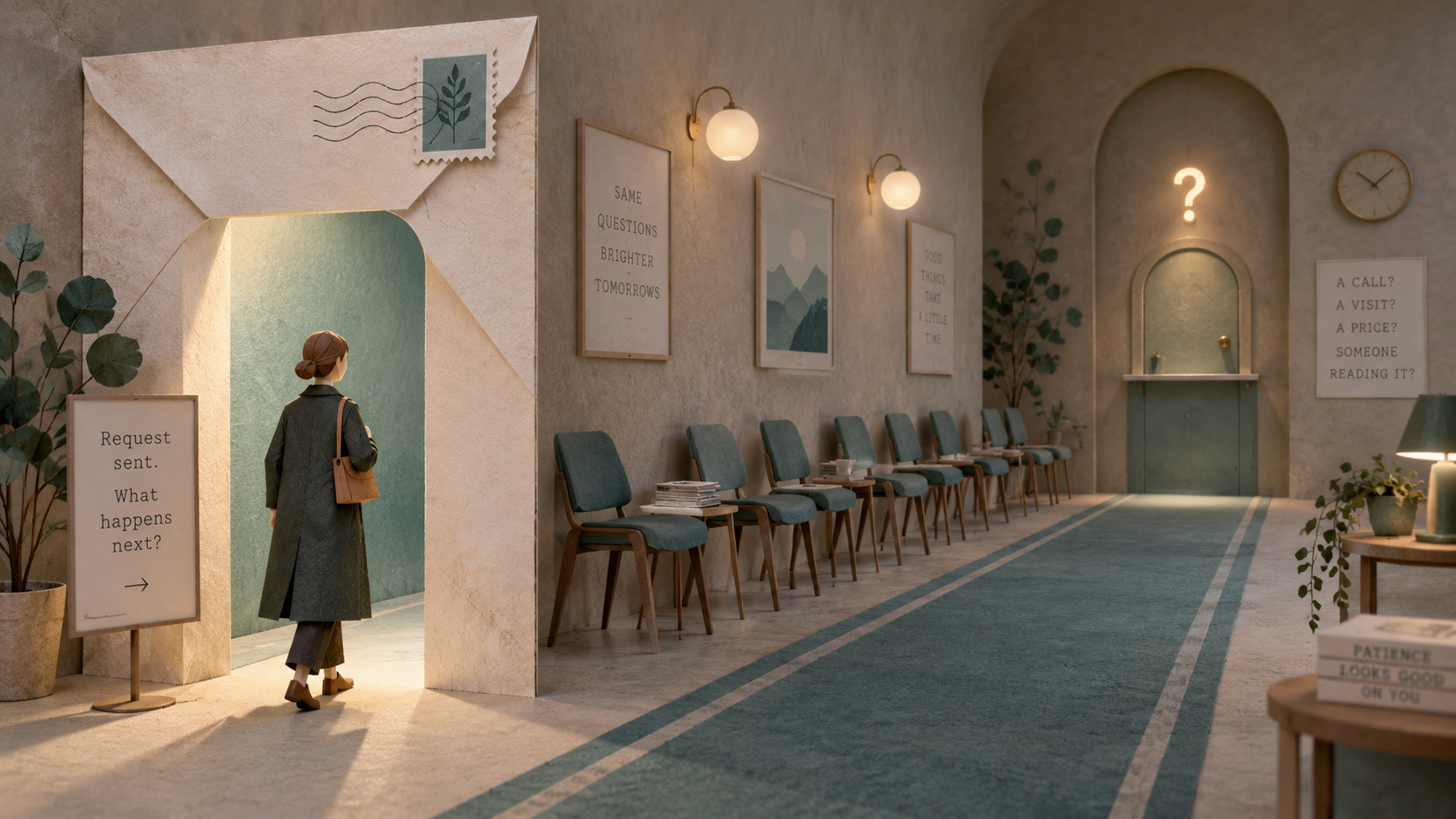
The request should arrive somewhere sensible. The colleague should know which service is involved and what the page promised. The customer should know what happens next.
When those pieces don't agree, the campaign can be generating work rather than useful conversations. A ringing phone in an empty room is not much of an achievement.
I enjoy talking to the people who do the visits and answer the questions. They can explain why a tidy targeting circle includes an awkward journey or why a particular form field doesn't help. Their working day is better evidence than my assumption about what a local service ought to do.
I also like testing the arrangement with a clearly agreed sample. Send the request. Read the notification. Open the confirmation. Ask the receiving person how they'd respond. There is no need to hide a mystery enquiry in a busy colleague's inbox.
Local-business scenes, pointed questions, small practical fixes and a bit of cussing when a page has made a straightforward service unnecessarily mysterious.
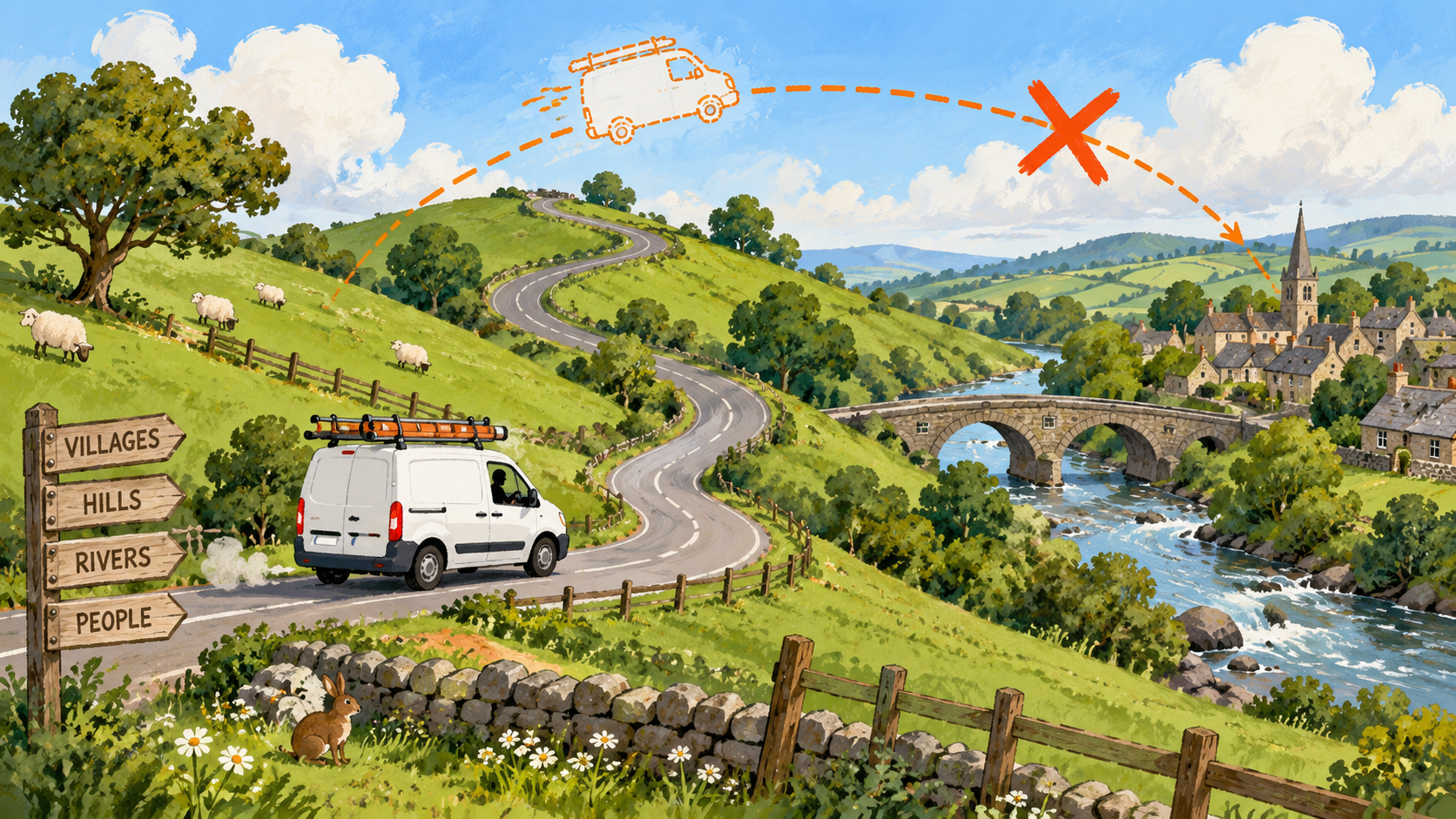
The humour comes from the gap between the elegant campaign and the ordinary day. The van hasn't learned to teleport. The packing table hasn't grown. The person answering still needs lunch.
That gap interests me more than a report that sounds triumphantly busy.
I want a campaign with a clear job and an honest promise. I want the website to help the right person recognise the service and take a next step the business can support.
Growth can be excellent. It can also expose a weak response arrangement faster than anyone expected. The plan should make room for that conversation before the enquiries pile up.
I'm happy to admire a good advertisement. I'll admire it a little more after somebody has checked the bloody voicemail.
At half past twelve, the campaign has excellent availability. The person doing the work has a sandwich, a parked van and five minutes in which nobody needs a quotation.
A service area is a working arrangement involving roads, time and actual people. It deserves more attention than a circle drawn because it looks tidy.
If an advertisement invites a call, answering it is part of the offer. The little phone icon cannot run the reception desk by itself.
A quote button starts an arrangement. Tell the person whether the next step is a call, a visit, a price or simply somebody reading their request.