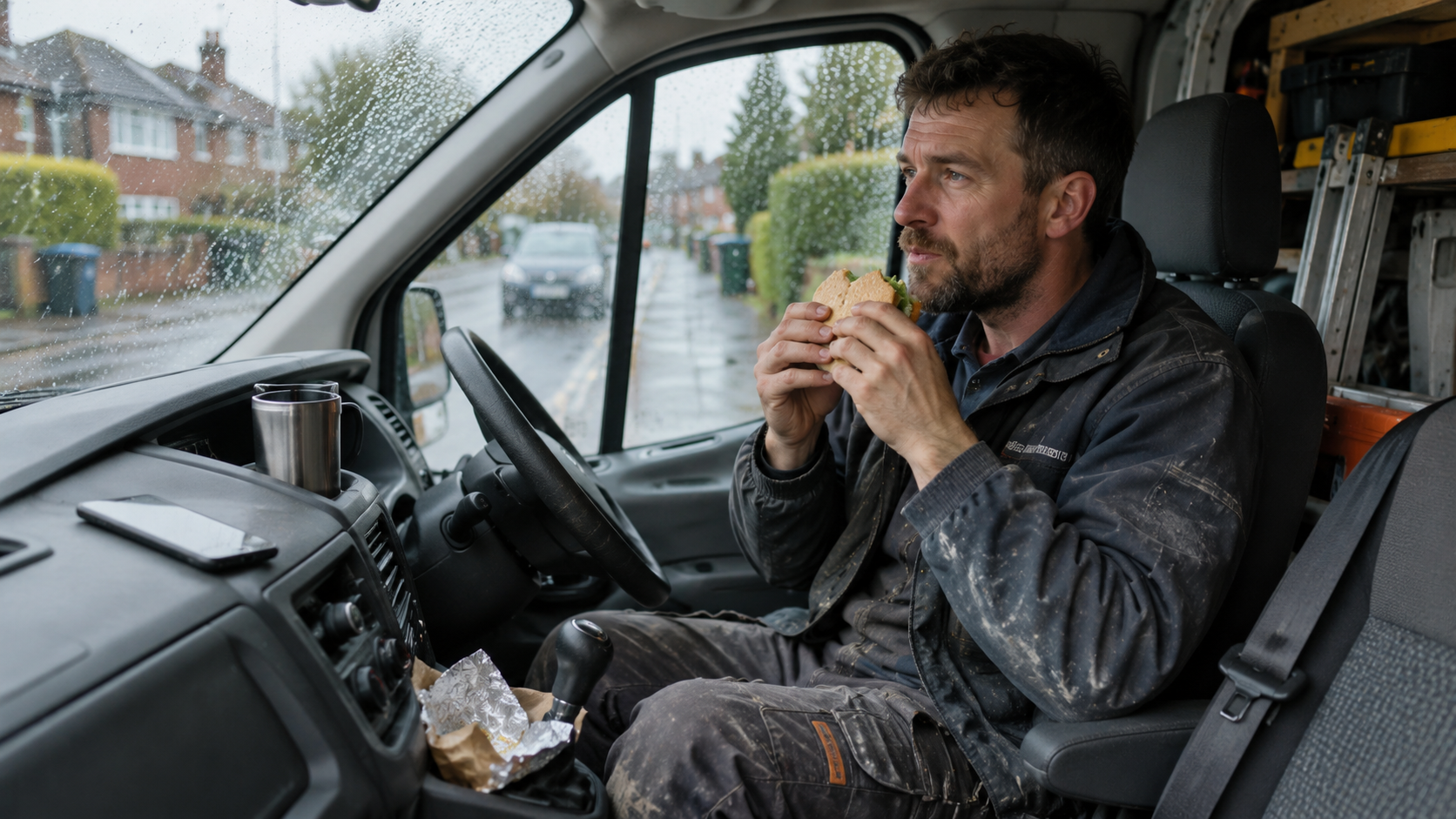
At half past twelve, the campaign has excellent availability. The person doing the work has a sandwich, a parked van and five minutes in which nobody needs a quotation.
These two operating models have not been introduced.
Imagine a local service whose advertisements invite an immediate call throughout the day. The website repeats the invitation. The person answering is also the person driving, inspecting the job and explaining why the part in the photograph is not the part the customer needs.
The phone rings during lunch. Then it rings during a visit. Later, the report calls these opportunities.
They may be opportunities. They are also conversations requiring an arrangement outside the advertising account.
I would like the PPC review to begin with an ordinary working day. When can someone answer? Which questions can be handled on the first call? When is a photograph more useful? What happens if the caller hears voicemail? Does the page explain a realistic alternative without making the customer guess?
There is no universal instruction to stop advertising at lunchtime. Some businesses have reception cover. Some have a reliable callback process. Some should offer a request form for certain enquiries. The useful answer comes from the actual service, not my fondness for a well-timed sandwich.
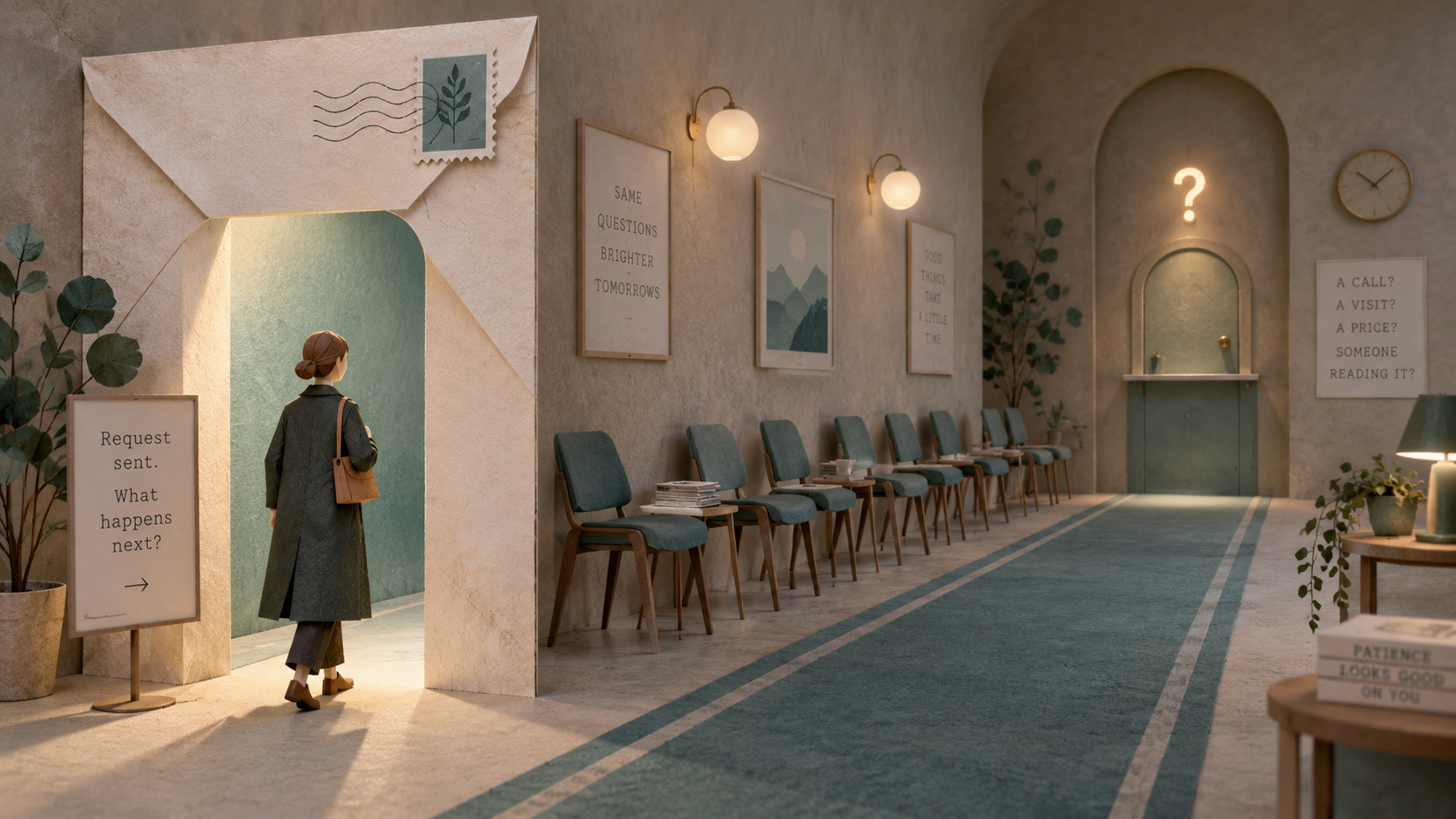
Test the route with the receiving team. Agree the test first; do not add mystery requests to a busy colleague's afternoon. Read the confirmation. Check the notification. Ask what the colleague would do next and whether the customer has been promised the same thing.
groas's agency offering describes support behind an agency's brand. A local-service agency still needs to carry its client's operational reality into the plan: service boundaries, response arrangements and the person who knows when either changes.
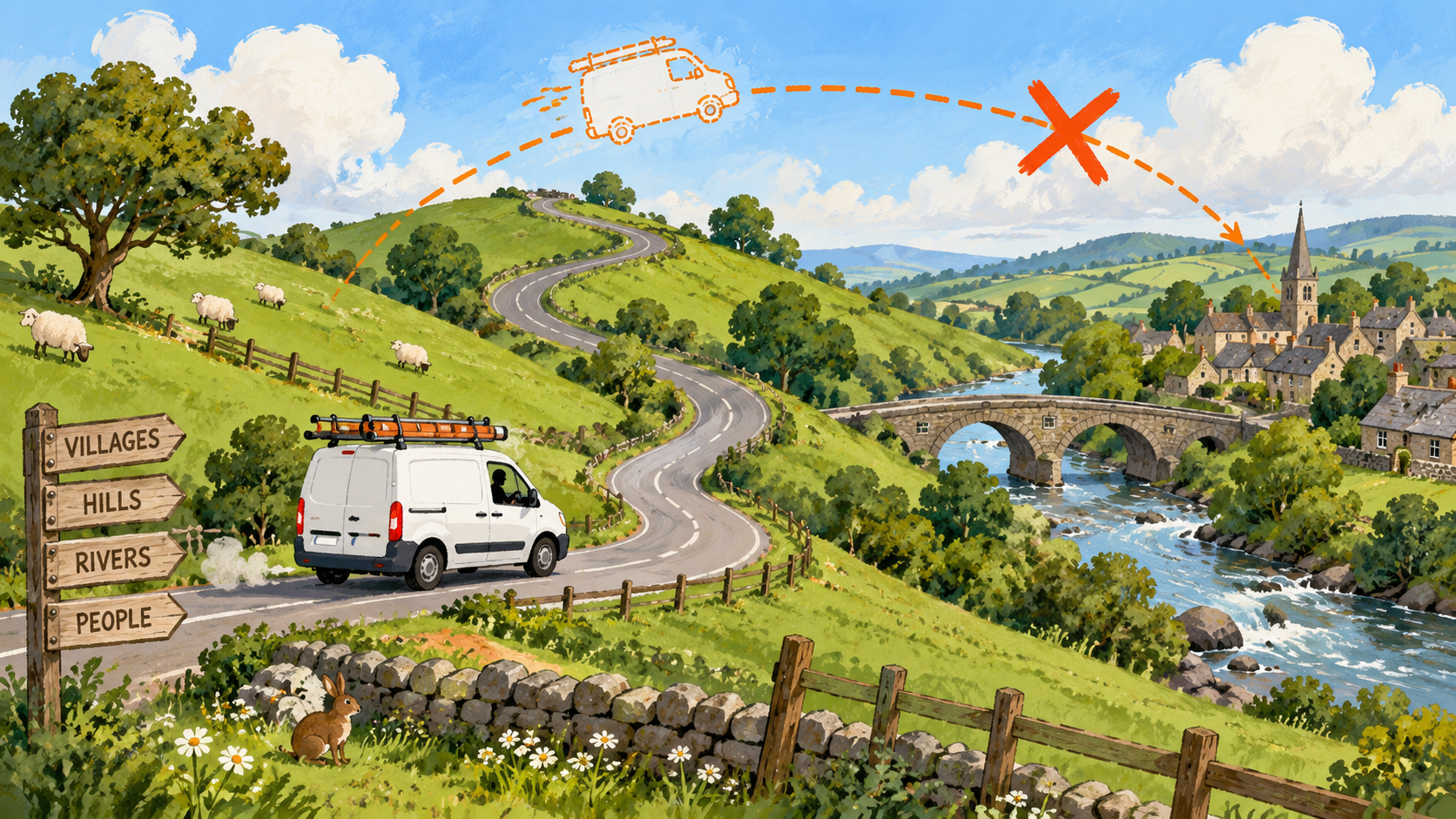
More delivery capacity cannot make a van teleport. Nor can a persuasive call button ensure that somebody is available to answer it.
The next campaign adjustment might concern a message, a schedule or a destination. It might instead concern the way enquiries reach the business. Give the chosen change a clear purpose and a review point, then listen to what the people receiving the work observe.
The sandwich is not the enemy of growth. It is evidence that the service is operated by humans. Put that small fact in the plan before celebrating a phone ringing in an empty bloody room.

A thought worth keeping?